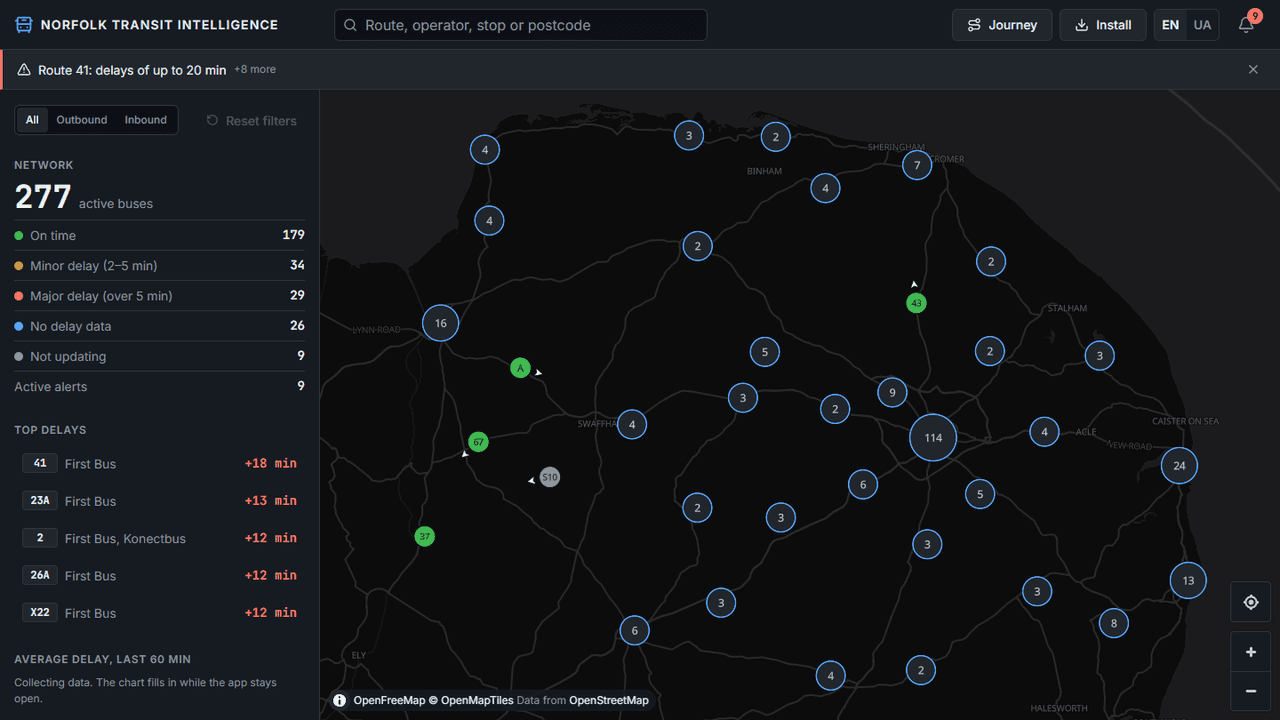
Norfolk Transit Intelligence Platform (NTIP)
Live bus tracking — offline-capable, installable, any device.
- Live bus positions with delay classification
- 60-minute rolling delay chart
- Works offline from the last-known state
Progressive web apps · from £2,000 · any device
It installs to the home screen, works offline and runs on iPhone, Android and desktop — from one codebase.
The problem
You have an idea for an app — booking, customer portal, internal tool — and you’ve been told it will cost £30k and take a year.
One build for iPhone, another for Android, a store submission for each — and the same again every time something changes.
Your customers need to log in, book or come back regularly, and a brochure site was never built for that.
What I do
A Progressive Web App is a website that behaves like an app.
It installs to the home screen of any phone or tablet — iPhone, Android, whatever your customer uses. It works offline. It loads instantly. And it runs on desktop too, without a second codebase.
If your customers need to log in, book appointments, access their account, or return regularly to your service — a PWA is usually the right answer.
Deliverables
Good fits for a PWA
Who it’s for
Appointments, tables or services — on the customer’s home screen, one tap away, without an app store in between.
A portal for orders, documents and invoices, or a loyalty programme people actually open.
Scheduling, inventory or checklists as an internal tool that works on every phone in the building.
How it works
01
30 minutes on the idea, who will use it, and whether a PWA is the right fit.
02
What it does on day one, written down, with a fixed price and a timeline.
03
Weekly updates and a working version you can open on your own phone as it takes shape.
04
It goes live at your own address. Customers install it from the browser.
05
Optional. Hosting, updates and two hours of changes a month for £250.
Three PWAs, live today
Related work
Live bus tracking — offline-capable, installable, any device.
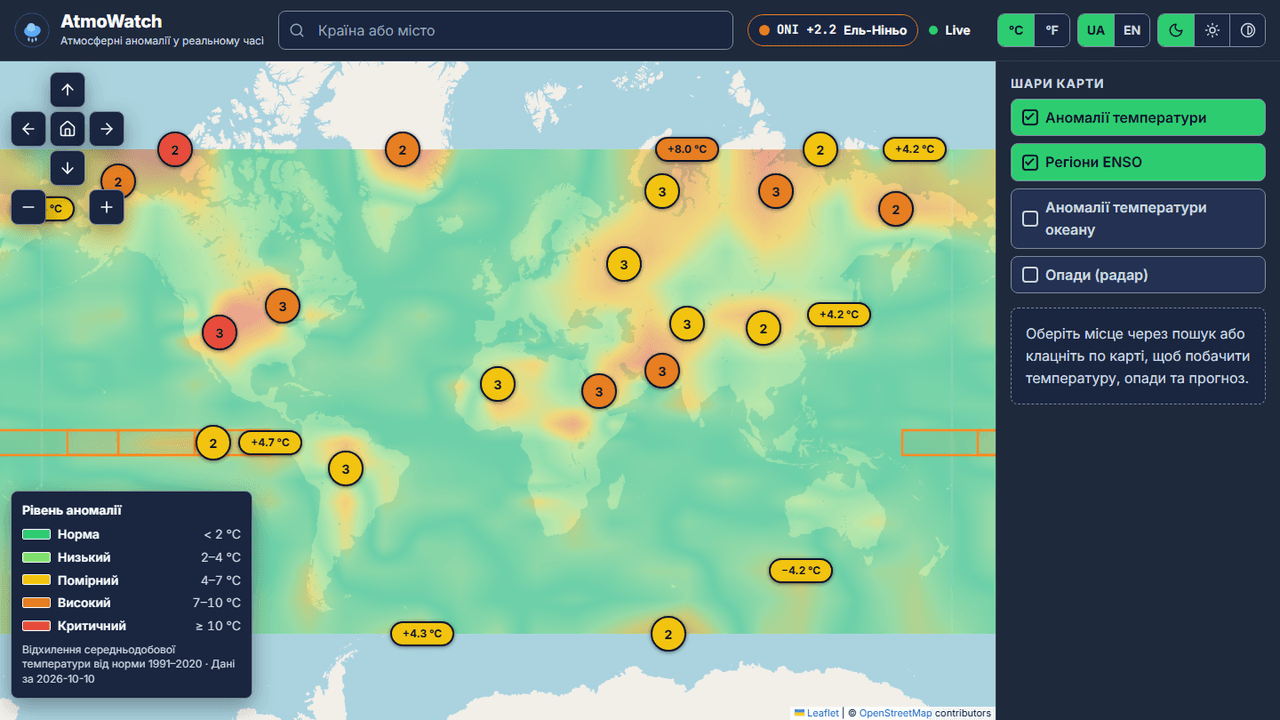
Real-time El Niño and temperature anomaly tracking — any device.
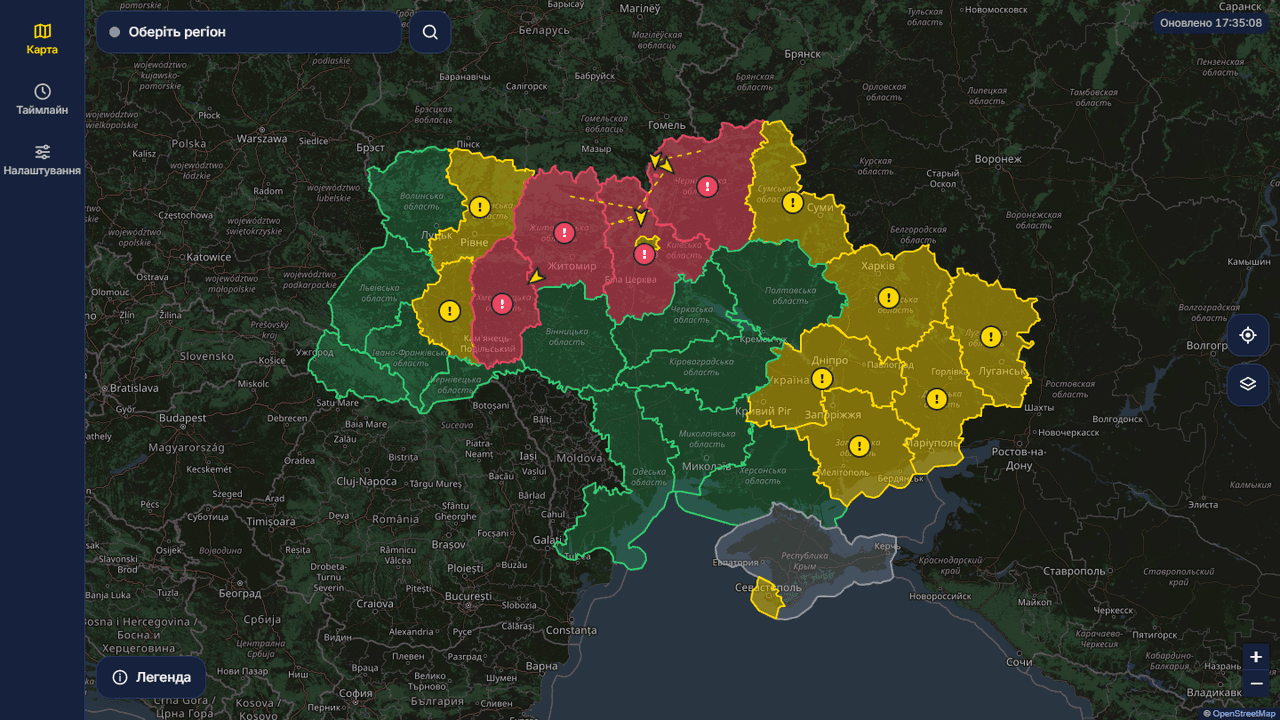
Ukraine-wide alert map — live, installable, works on any device.
Pricing
From £2,000
£250 / month
The fixed price depends on what the app needs to do. You get one clear quote after a short call.
FAQ
A website is primarily for information and enquiries. A PWA behaves like an app — it installs to the home screen, works offline and supports richer interactivity like bookings, portals or accounts. If customers need to log in, book or return regularly, a PWA is usually the right answer.
Yes. It installs to the home screen of any phone or tablet — iPhone, Android, whatever your customer uses — and runs on desktop too, without a second codebase.
No. They open your address in the browser and add it to their home screen. There is no store submission or approval process.
Three things: a written contract agreed before work starts, split payment (50% to start, 50% on launch), and a refund guarantee at the design stage. You never pay in full upfront, and you own everything from day one.
Most owners add the £250/month Care plan — hosting, updates and two hours of edits a month, no lock-in. Or take the keys and run it yourself.